Additional Vulnerabilities for Athletes:
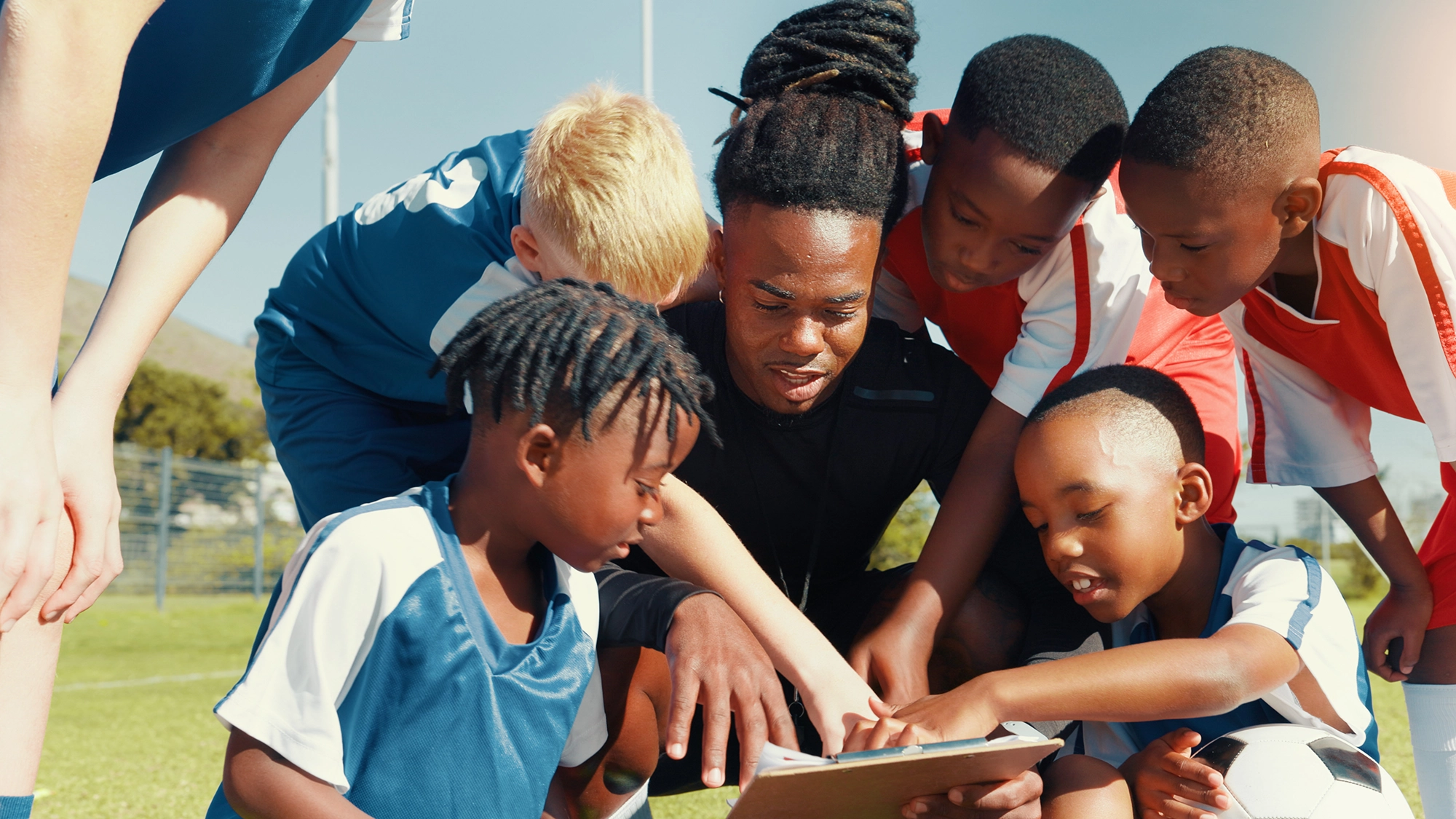
- Athletes often enter sports as young children. In some cases, athletes may start playing at the age of 4 or 5.
- Sports “specialization” is occurring at increasingly younger ages, with many sports expecting elite athletes to have already specialized by around age nine.
- Athletes face exacting schedules and training routines (especially at the elite levels).
- Sport(s) can become the cornerstones of identity/selfhood during an athlete’s developmental years.
- Physical and mental health impacts related to high performance can impact wellness.
- Limited timeframes for moving up in the sport create timelines and pressures for success.
- Small, close-knit sport communities (with multi-generational and family connections) create conflicts and complexity in seeking support. In many sports, family and friends may play multiple roles as administrators, coaches, athletes, and more all within the same sport community.
Context of Sports Culture:
- Tensions between athletic performance goals and competitive success create an environment of high pressure.
- Athlete sacrifice is the norm and expectation.
- Athletes and others in the sports environment want to protect coaches and parts of the sports team who are connected to the team’s success.
- Winning is often valued over athlete wellbeing.
- There is a lack of focus in sports on athlete wellbeing with most of the focus being on winning and performance.
Considerations for Advocates:
- During Intake: Include questions about sports/athlete identities and whether abuse occurred within sport systems.
- Abuse Signs: Build an understanding of how abuse shows up in sports systems and how trauma responses may look different in athletes.
- Abuse in sports can sometimes look like “harsh” coaching or it can be considered as necessary for high performance and winning.
- Advocates should look at these systems and situations for how athletes can be isolated and de-humanized in sport.
- Trauma responses can look different for athletes because of both their hyper connection to their body as well as their need to disconnect from their body to preform in the sport. This means that ground techniques and other body awareness may need to be modified. It is critical to follow the athlete’s lead about what works in healing and recovery.
- Sports Systems: Understand the interconnected systems of accountability/remedy for athlete-survivors.
- This is further described in the Sports Systems of Accountability Overview.
- Trauma-Informed Practice: Adapt and grow trauma-informed practice around the unique needs of athlete-survivors. This looks like considering the four R’s of trauma-informed within the sports world/community.
- Realize trauma has impacts – how can an advocate realize/understand that trauma impacts the sport community? See Abuse in Sports Factsheet for Advocates.
- Recognize trauma – how can the advocates recognize trauma in a sport system? See Sport-Specific Power and Control Wheel.
- Respond to trauma – how can advocates respond to sports-specific trauma? See Sport-Specific Wellness Wheel, Sports-Specific Safety Planning Worksheet.
- Resist re-traumatization – how can advocates resist incidents of re-traumatization? See Sports-Specific Intake.