What are the warning signs of danger or impact of trauma?
Are there certain feelings in your body when you feel unsafe or feel a stress response? Do you feel hot, short of breath, or stomach upset?
What are some things you can do in these situations?
What are your favorite regulating activities? Can you try box breathing, identify sensory inputs, or take a walk?
What are some actions or practices that can help you within your sporting environment?
Are there ways to avoid things that trigger stress response(s)? Do you need more support within your sport? More transparency? More resources?
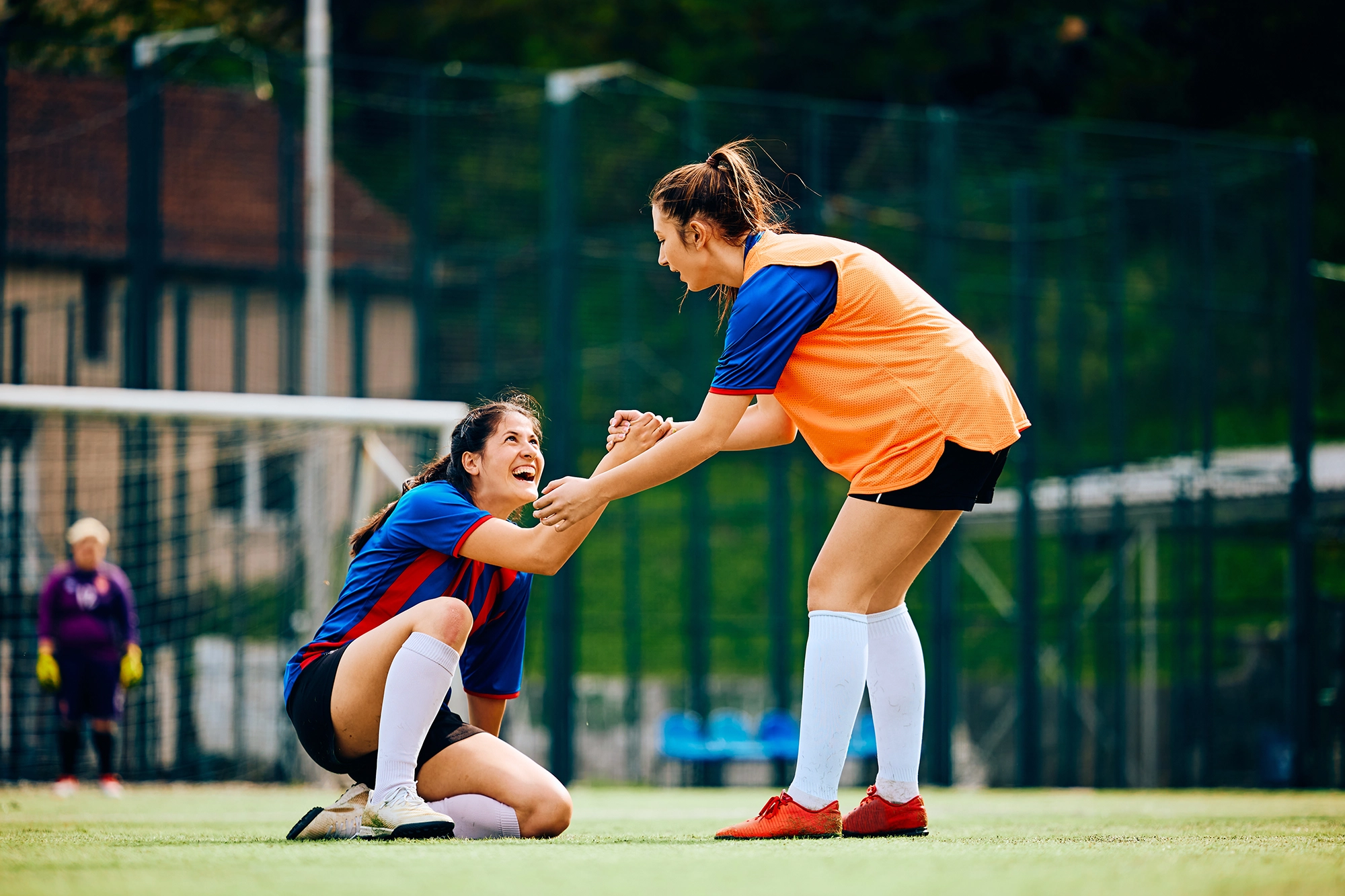
Who in your social circle or support network could provide help or serve as a positive distraction?
Is there anyone that regularly travels with your team or is present within your sport that can support you? Who is a friend you can reach out to for support?
What family members or friends could help?
Is there anyone that you can talk to about these stress responses? Anyone you feel comfortable being general with? Someone you can simply tell that you need a distraction.
What outside organizations or professionals could help?
- Who are confidential advocates you can access? (RAINN or other helpline supports, The Athlete Survivors’ Assist, etc)
- Do you have support through trauma-informed sports psychology or a therapist?
How can your sports participation and sports environment be safer?
Do you have a way to create boundaries or take time for yourself if you need a moment?
Remember: Self-care is not selfish–it is necessary for you to show up as your best person, and it is necessary for healing and thriving.
Try to find self-care activities that are easy to access and that you can do regularly, even when traveling for competition. Self-care should help connect you with your body and bring peace and joy. It can be an activity that is fun or one that helps regulate your nervous system. These activities do not have to be expensive or exclusive.
One way to organize self-care is to ensure you engage in self-care activities across a range of areas/domains. These domains of your life may include:
- Physical
- Emotional
- Mental
- Intellectual
- Social
- Spiritual
- Environmental
- Professional
- Practical (everyday care)
- Sports Participation, Culture, and Environment
Some examples are:
- Listening to music
- Taking a walk or running
- Watching a favorite TV show
- Reading a book
- Calling a friend
- Making a favorite meal
- Meditation
- Going to bed early
- Painting or coloring
- Getting a manicure or a pedicure
- Taking dogs to the dog park
- Spending time in nature
- Browsing in a store
- Going to a concert/live music
- Going out to eat
- Swinging on a swing
- Sitting by the beach or lake
- Taking an exercise class or doing a workout
- Organizing your desk, room, or closet
- Visiting a friend or family member
- Journaling
- Playing with a dog, a cat, other pet