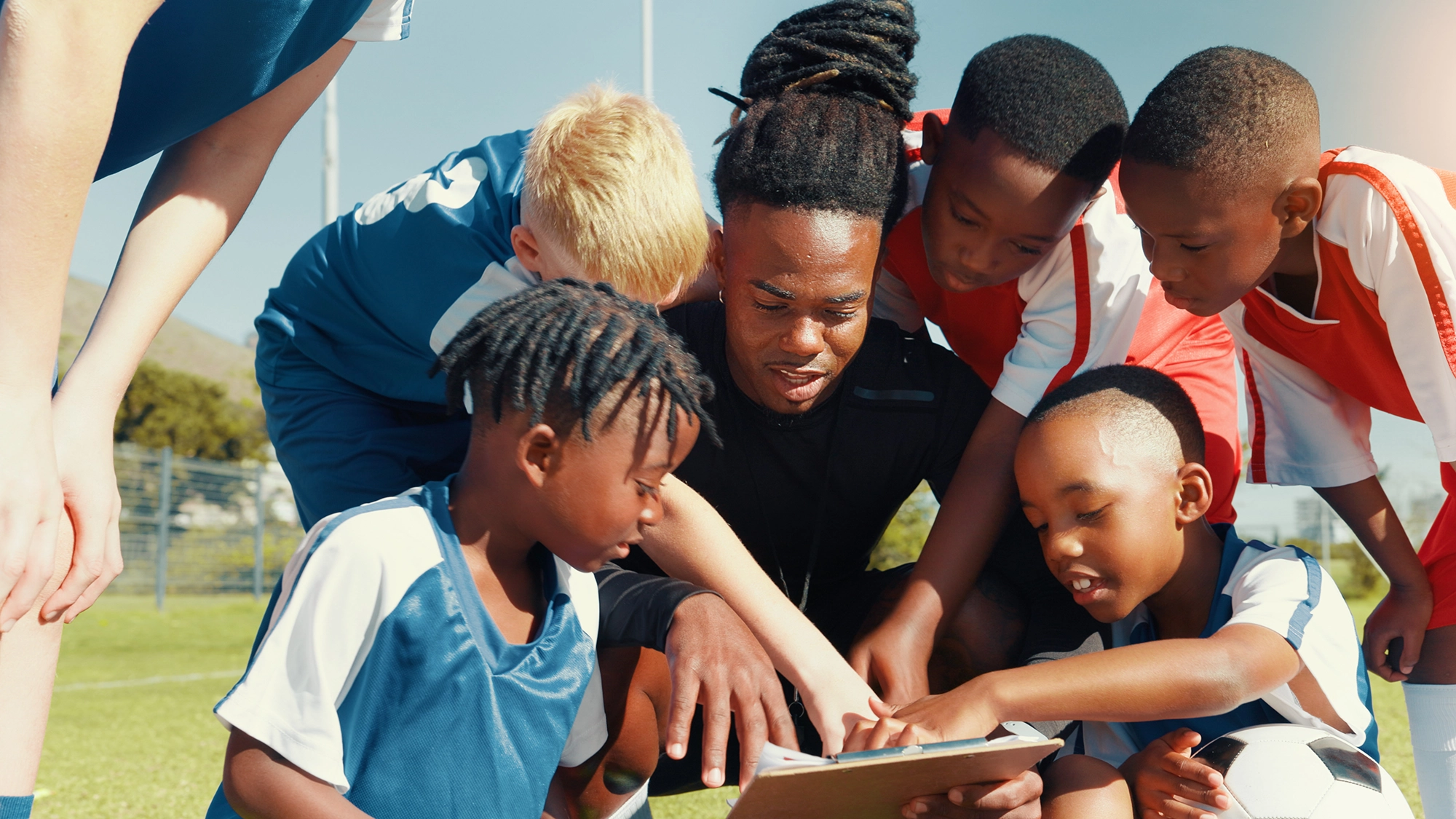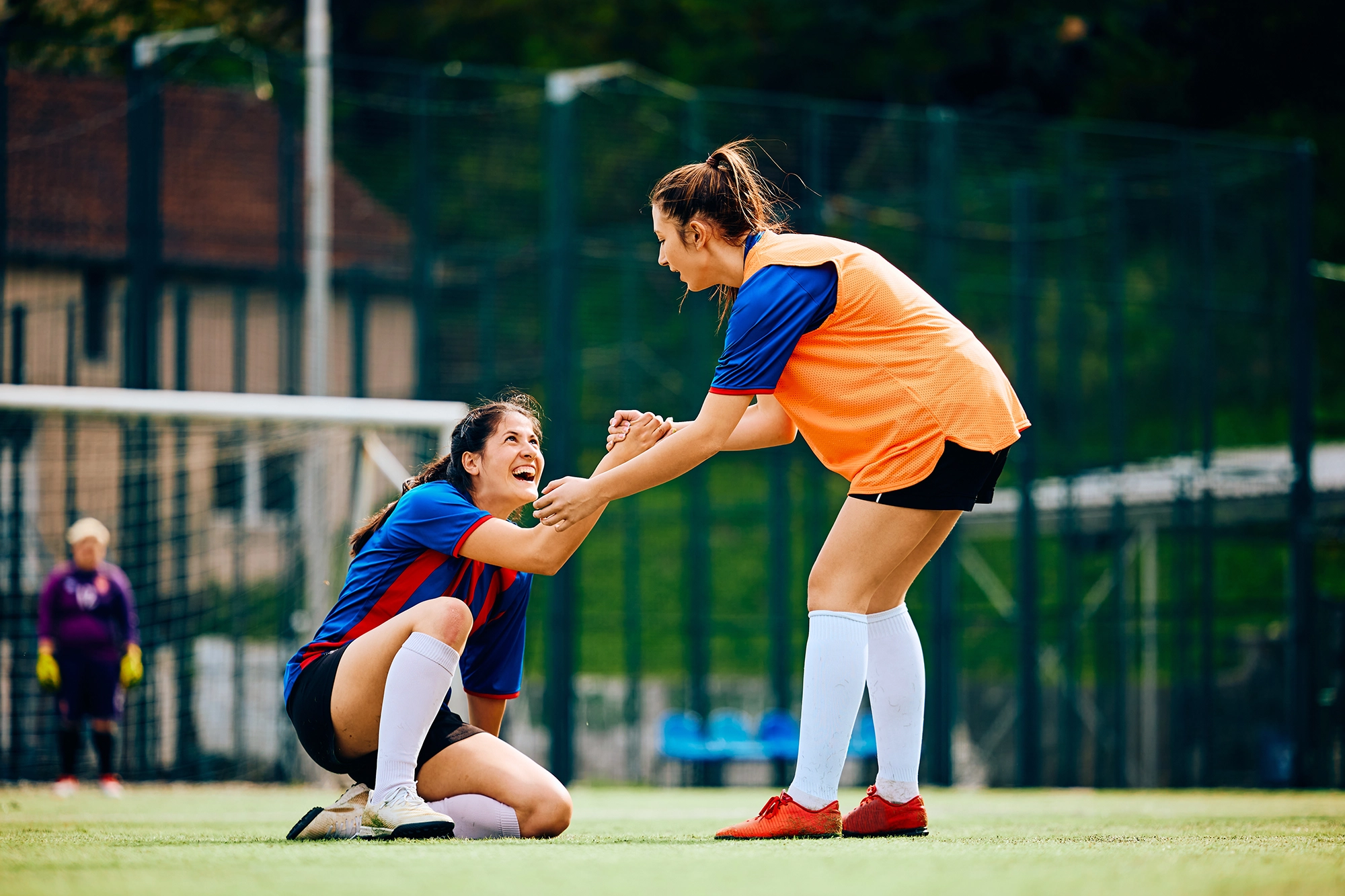
Considerable Extenuating Vulnerabilities for Athletes May Include:
- Central aspects of identity are tied to sport and sport performance.
- Sport as a system of intrinsic hierarchy and authority over athletes.
- Sport as a system in which those who choose to abuse work to gain access to children without substantial system oversight.
- Isolation in practice, training, competition, and travel.
- Mental and emotional coaching to play through pain, to not show emotion, or to be forced “get angry” to play well.
- Socioeconomic status and the steep cost to access, and especially to excel within sport.
What it means for advocates: Advocates should keep these vulnerabilities front of mind when working with an athlete to better understand the situation, build a meaningful safety plan, and connect advocates to relevant resources.
Sports Psychology
Sports psychology has generally overlooked trauma and the impact of traumatic experiences in sport when addressing overall athletic performance. Often, teams and leagues bring in sports psychologists solely to address performance crises or mental blocks, rather than to support the athlete’s overall wellbeing. While the field of sports psychology is increasingly recognizing that addressing trauma can enhance performance, many teams and organizations that typically fund these psychologists continue to focus on “patchwork” interventions aimed solely on boosting performance rather than prioritizing comprehensive athlete wellbeing in tandem with performance.
What it means for advocates: This does mean that connection with a sports psychologist may not be sufficient mental health support for an athlete survivor. It also highlights an opportunity for advocates to partner and build relationships within the sports psychology field.
Depression
Depression can manifest differently in athletes. It can be hidden by the isolation and intensity of the sport’s goals. While many express depression through lethargy and lack of interest in things they enjoy, athletes will often stay very active and engaged while still experiencing symptoms of depression.
What it means for advocates: Depression might be hard to identify and athletes may not be able to see the impact of depression in their lives.
Eating Disorders and Body Image
- The body is central in sport; many sports have weight and strength goals. Many sports, specifically aesthetic sports, prioritize the visual appeal of certain body types.
- Sport is also a place where unhealthy eating habits can be enabled because of the demands of the sport and certain perceptions around body type and performance.
- Eating disorders (including anorexia, bulimia, and orthorexia) can also be related to control. When athletes lack control over their schedules, travel, connections, and where they live, they may turn to controlling what they consume to regain some sense of control in their lives.
What it means for advocates: There should be special considerations of eating disorders and body image in resources and safety planning with athletes.
Suicidal Ideation and Death by Suicide
Suicidal ideation and death by suicide are concerns in sport and for athletes, given the intensity of many athletes’ ties to their sport and how their identity may be centrally connected to sport. Performance is often a centerpoint of self-esteem and self-worth. Athletes experience severe criticism based on every performance – something only exacerbated by the rise in sports betting – and can mean that perception of self and worth can be fragile and shift from day to day.
There is also a connection between physical brain traumas and concussions with higher levels of depression and death by suicide.
What it means for advocates: In connection with head traumas and sport injuries, there needs to be special consideration of self harm and suicidal ideation. Care should be taken to connect anyone with signs of self harm or suicidal ideation to appropriate resources. This also might have mandatory reporting impacts for some advocates and licensed professionals.